The Places Between 16
Fort Point State Park
Last fall, my work had me exploring more coastal spots Downeast, closer to where I grew up. It had been a while since I drove the local roads, discovering some new and old spots along the way.
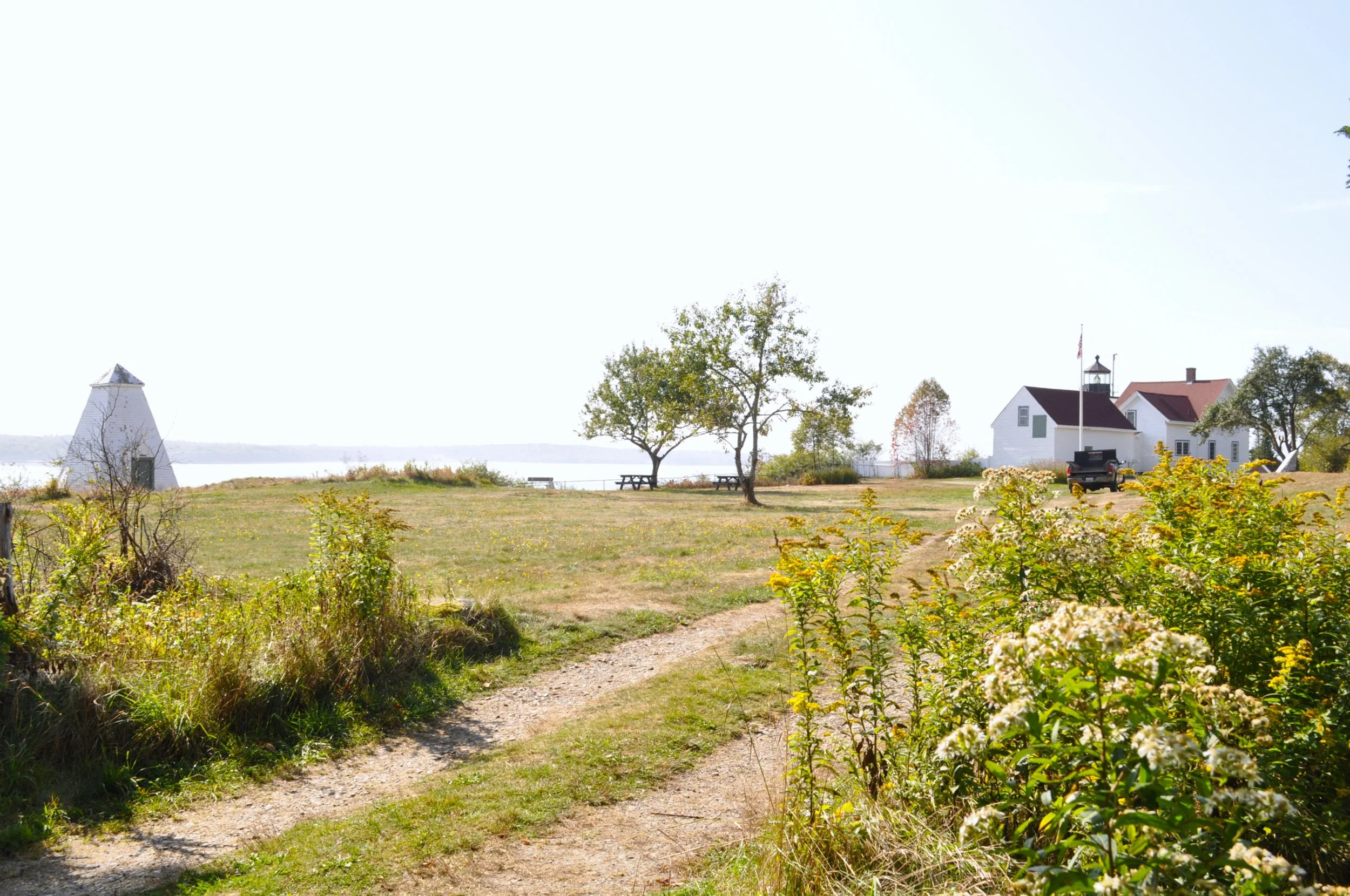
I’ll be eaten alive by Mainers if I say Stockton Springs is Downeast, so let me state upfront that my visit to Fort Point State Park was a stop on my journey further east. The first time I visited Fort Point State Park, the world was deep into COVID lockdown. My parents and I met with my aunt’s family for a socially-distanced picnic near the lighthouse. The early morning light hit the lighthouse gorgeously on my second visit, the hint of coming rain was nothing more than a shimmer in the sunlight. The nearby Fort Pownall was constructed during the French-Indian War. The lighthouse was constructed years later in 1835. A well-traveled path around the edge of the property eventually leads to an active pier, where I comfortably watched the seagulls circle the waves.
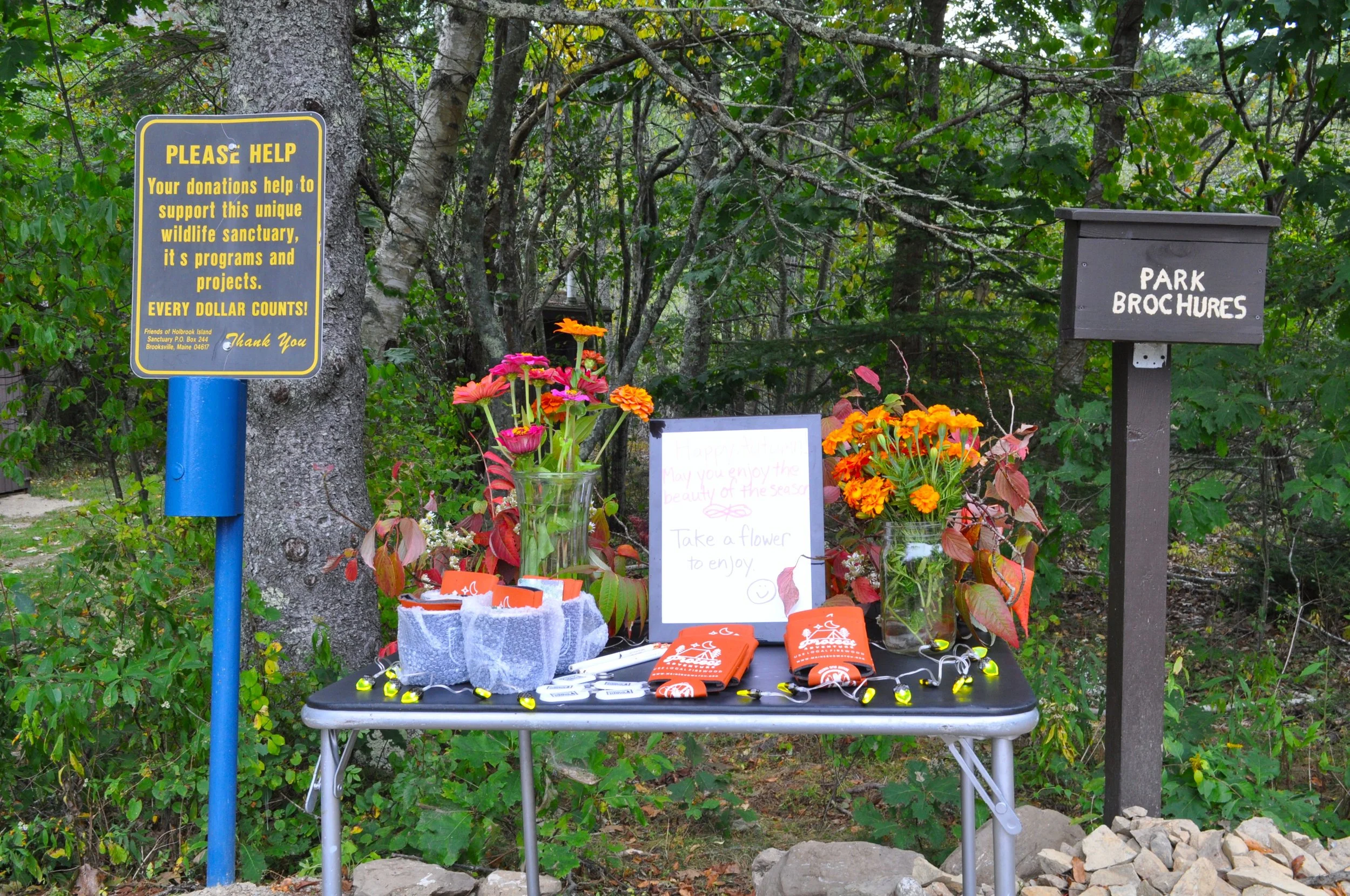
It was a long and winding dirt road to get to Holbrook Island Sanctuary. I passed a nearby creek that I was certain would flood during heavy rainfall, so I counted my blessings that I wasn’t visiting a day later when pouring rain was in the forecast. The space itself was nice and quiet in the late season. I was the only visitor at the time, roaming the rolling lawns and walking the dirt roads to the picnic area by the sea. A sign and table greeted me on my way to the cleanest outhouse I had encountered in almost thirty years of romping around Maine’s woods. Beautiful, vibrant bouquets of flowers and informational pamphlets were available—free for the taking. I’m sorry to say that my flower only lasted for a few days, but the offering still leaves a positive reminder of my visit.
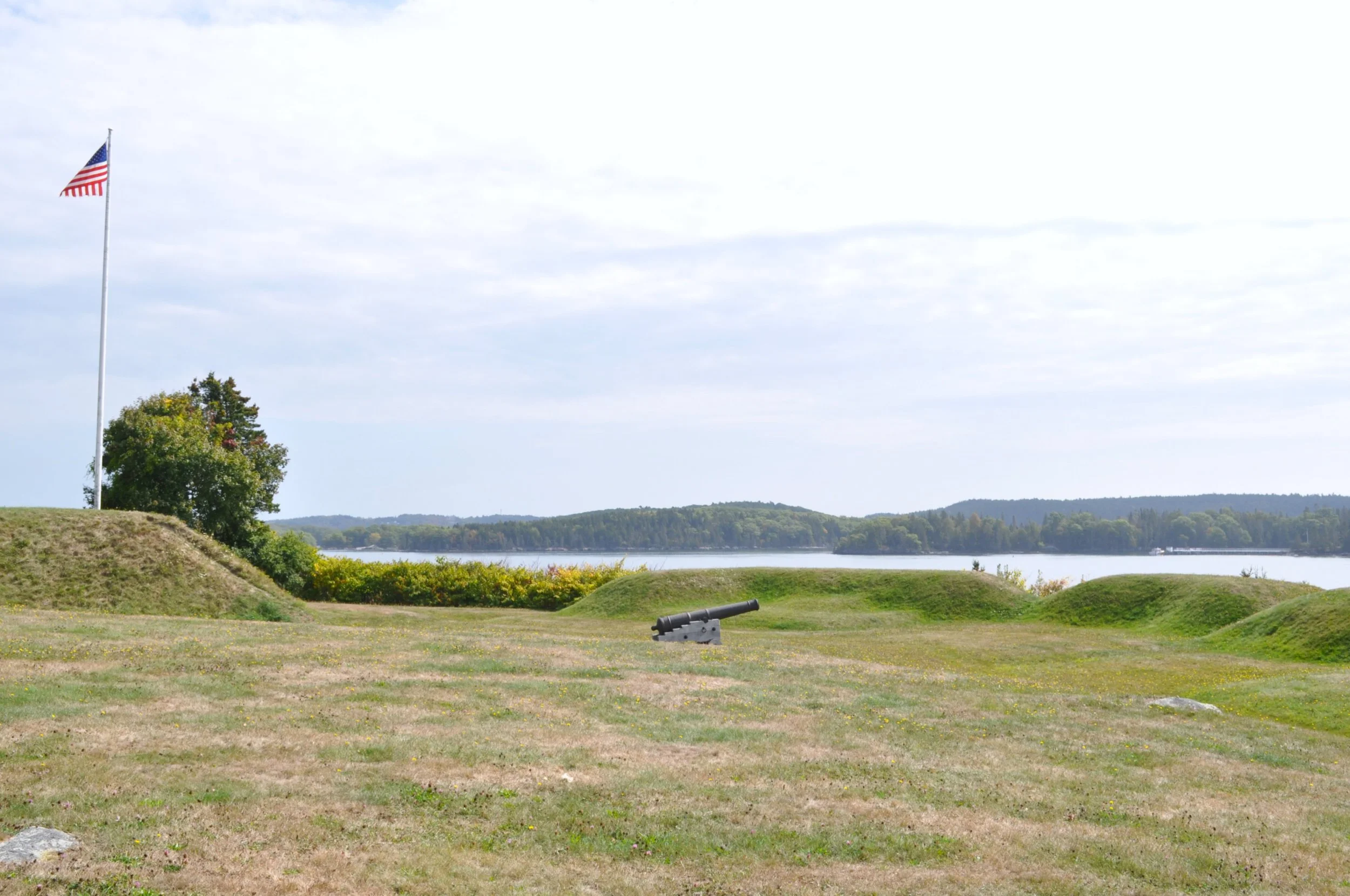
The last time I was at Fort Madison in Castine was the 4th of July 2019. I hiked the grounds with some friends before we left the town to watch fireworks closer to home. The fort itself is a hill fort, built in 1811 to fight the British. Castine’s citizens opposed the war and lacked resources to fight, so the fort was abandoned and the guns were sabotaged by its own garrison, which led to a British takeover in September 1814. A singular cannon sits in the green space today, aimed out at the harbor.
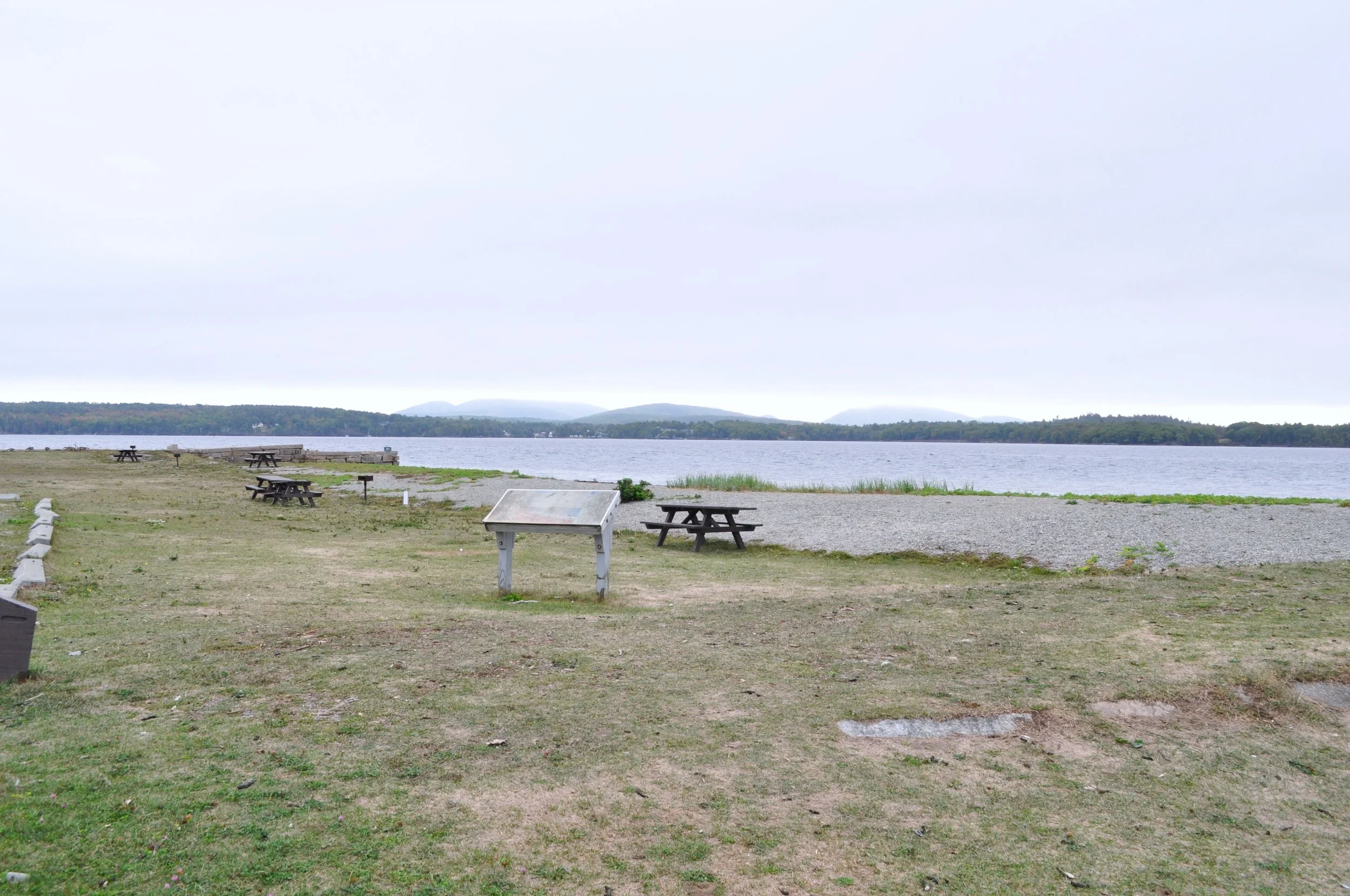
Lamoine State Park was a place I visited more than a few times as a kid. My school often took field trips to the park in late May. We’d hang out on the giant playground, lay towels out on the grass, and scavenge the beach to find pieces of seaglass. I had a collection of different colors, including green, brown, white, and blue. I remember a group of us gathering on the bus afterwards, collectively gawking over a rare lavender piece that someone found. The park looked different when visiting as an adult. Maybe it was that I was taller and more traveled, or maybe it was because it was a cloudy day in late fall and the flocks of geese had seemingly fertilized every foot of park space. Either way, I didn’t stay more than fifteen minutes, eager to seek out the next spot before the impending rain.
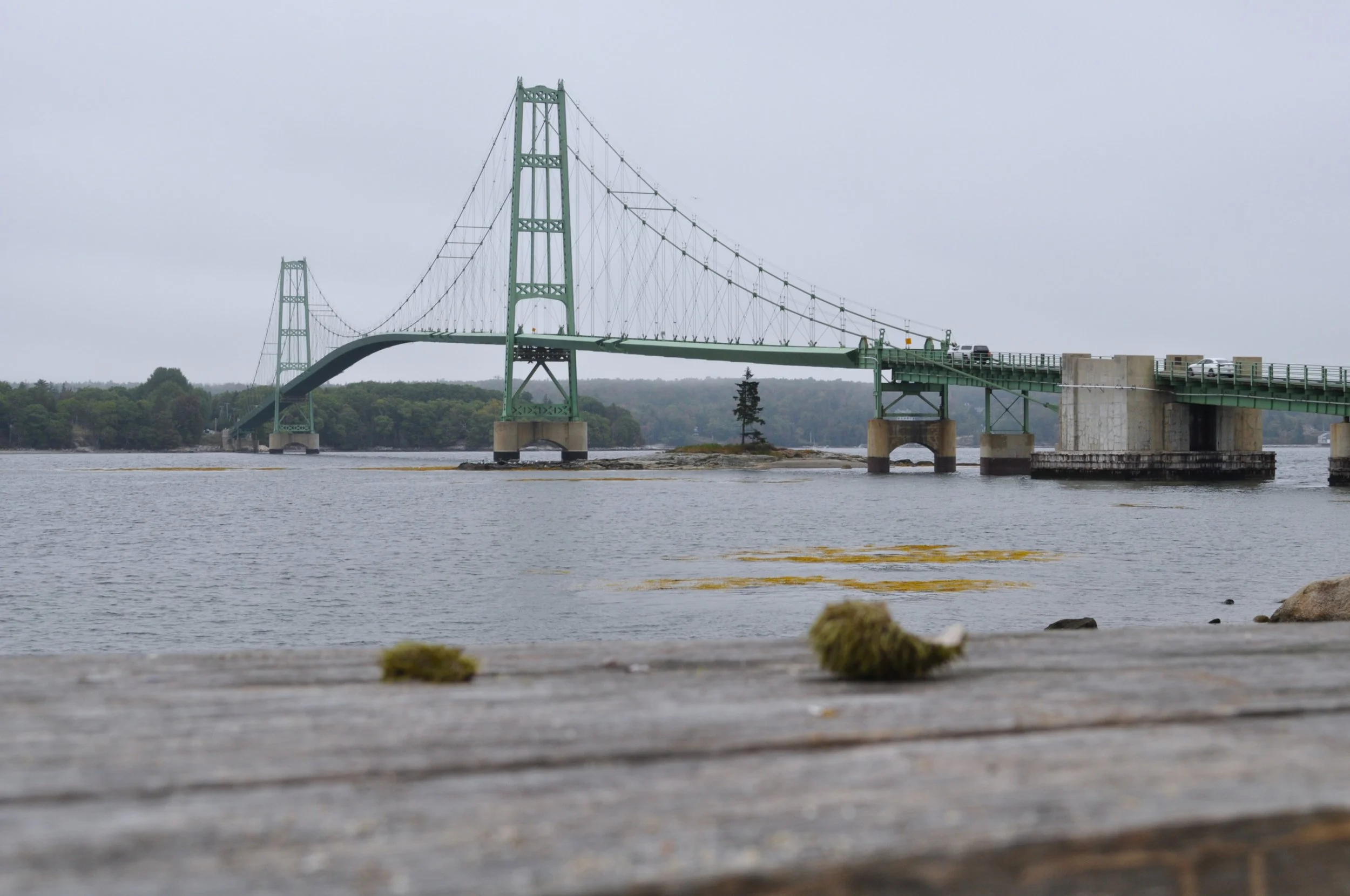
Bridge End Park in Deer Isle is a reminder of why I have made a concentrated effort to explore more of the state that I grew up in. So often, I see people, myself included, get comfortable following the same road to work, visiting the same towns, and hiking the same trails. We convince ourselves we know our home like the back of our own hands. But the truth is, after a lifetime of living in Maine, there are still places merely an hour away from my childhood home that I’ve never seen. Deer Isle is one of them. Bridge End Park was developed more over the last few years, and its picnic tables gave stunning views of the bridge that led onto the island and the singular tree that grew beneath it. I spotted mollusks clinging to the bottom of the docking, likely dragged in by some fishermen who used the nearby boat launch.