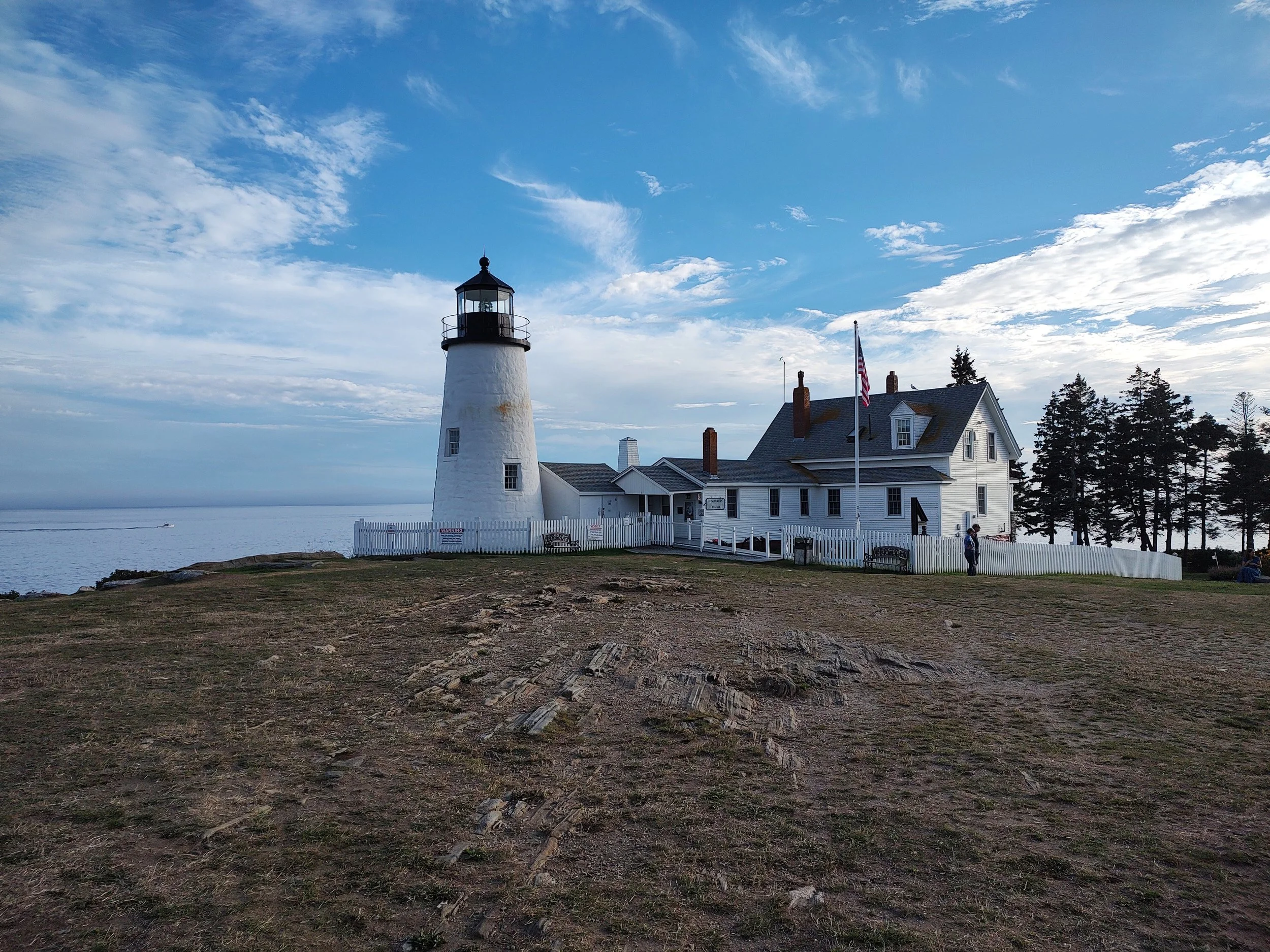
Pemaquid Point Lighthouse
When you've been to as many lighthouses as I have, it's hard to pick a favorite, but Pemaquid Point Lighthouse in Bristol is definitely one of them. When I visited, it was a quiet September day. A family had a professional photographer taking pictures of them as the seagulls soared overhead, while retired couples walked the grounds, stopping to appreciate the view with me.
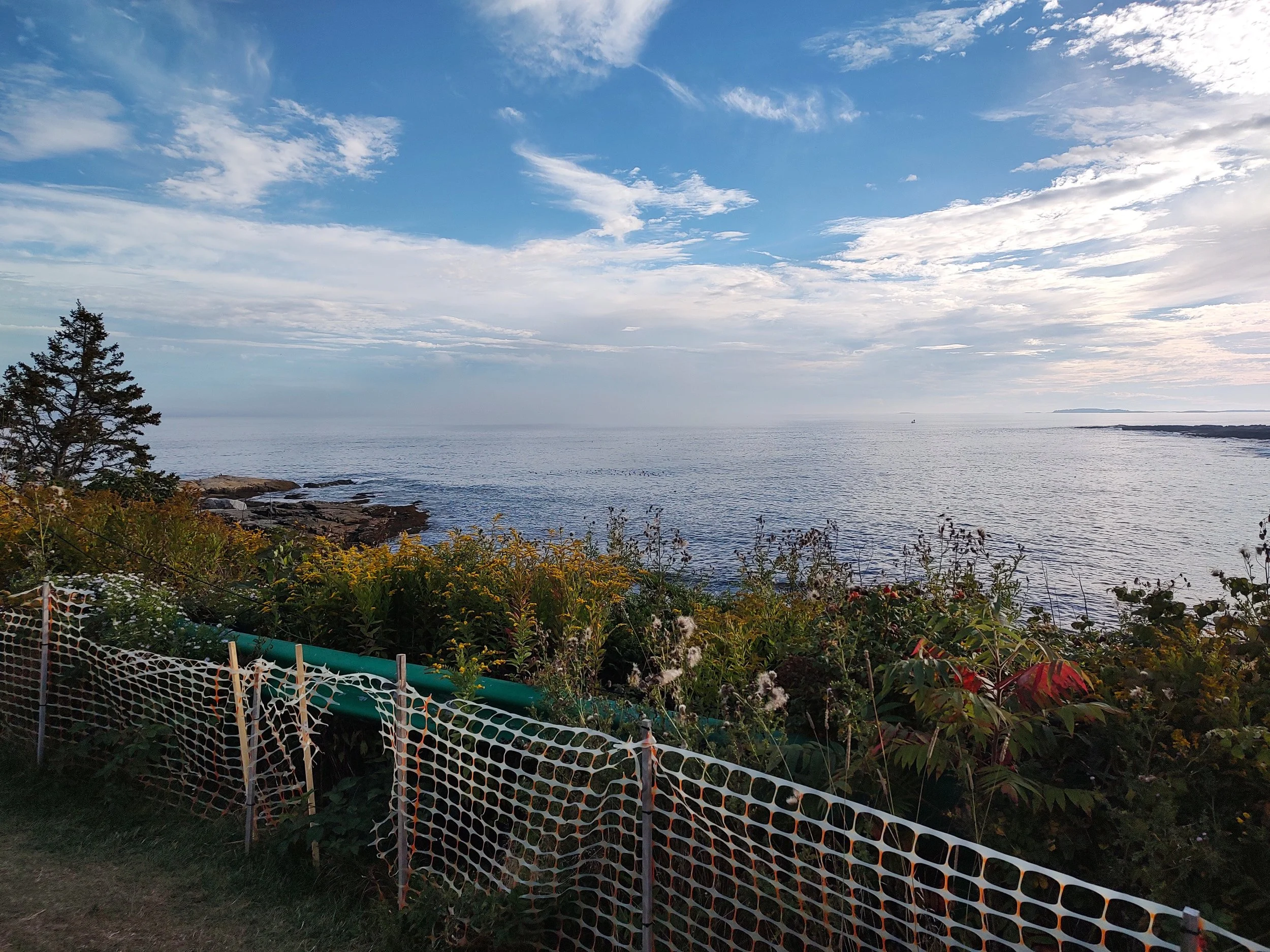
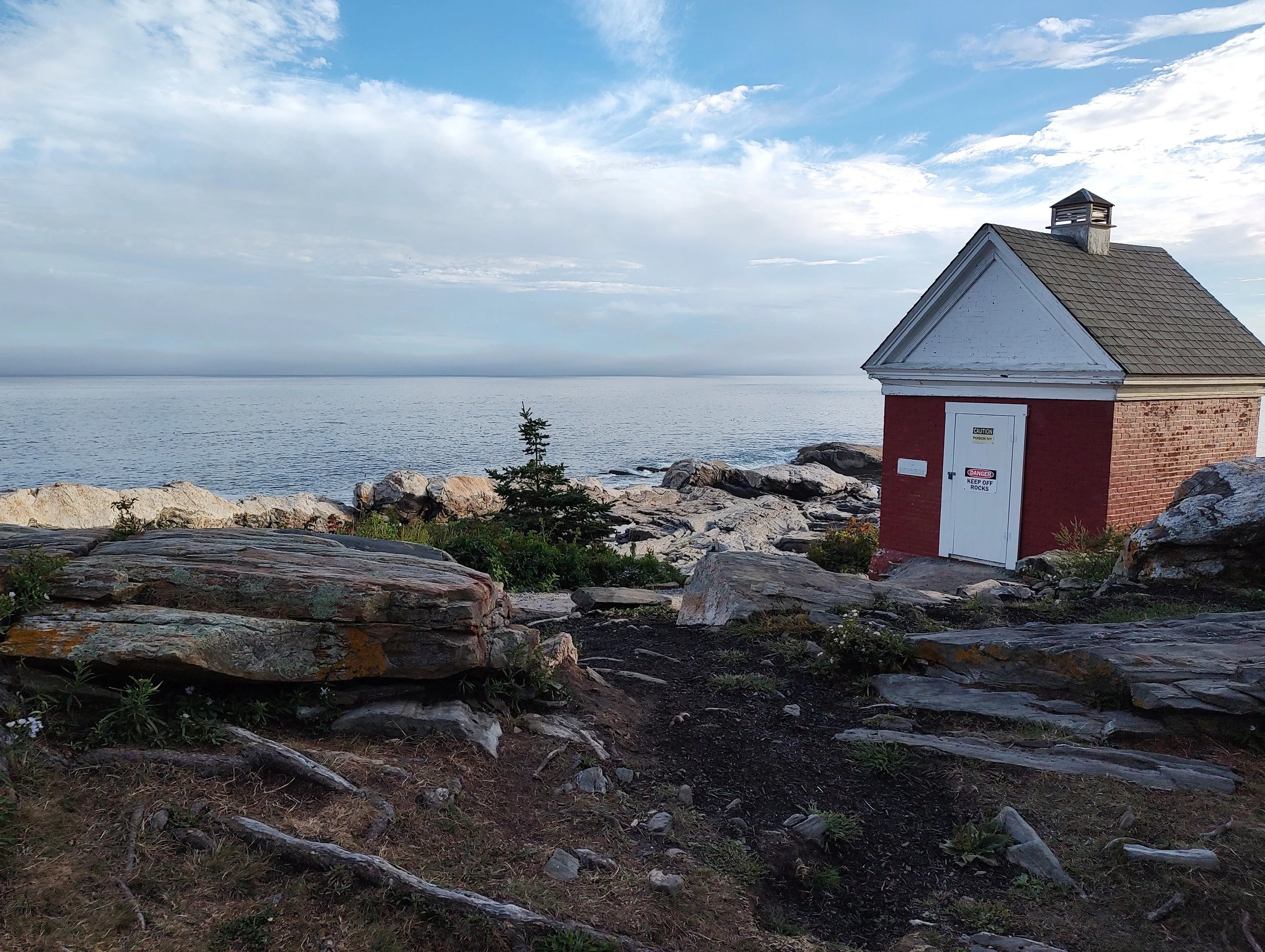
Similar to the Portland Head Light, Pemaquid Point ranks high on the list of the most photographed lighthouses, and it's no surprise why. The lighthouse sits on a quiet peninsula, sharing space with manicured gardens and a fisherman's museum, which was closed at the time of my arrival. Trails traced the grounds, leading to the rocky coastline, and, if one were to be adventurous enough, down to the cobblestone beach in Lighthouse Cove.
The lighthouse is still in use, having originally been built in 1827. Only 7 years later, it was reconstructed, providing the tower that still stands 38 feet tall today. In 1934, it became the first Maine lighthouse to be automated.
Nearby the lighthouse is Fort William Henry, or at least what's left of it. By the time I arrived, it was so late in the day that I had the whole fort to myself.
Fort William Henry was built in 1692 during King WIlliam’s War to defend New England’s northern boundary against the French and Wabanaki Confederacy. The fort was built on the remnants of Fort Charles, which had been captured by the local natives before the English regained control in 1961. In a grand showing of reinforcing control, the Massachusetts government spent 20,000 pounds to construct the new fort, moving 2,000 cartloads of stone to construct walls 10 to 22 feet high and a stone bastion that rose to 29 feet high. The fort would house around 20 cannons and 60 soldiers. However, signs nearby the current fort emphasize that money truly isn't everything. In fact, after such an expensive display of power, the fort was deemed to have poor quality mortar that could not withstand siege attacks.
In 1696, 500 native warriors in canoes surrounded the fort, pinning the English inside, while French ships besieged the fort with cannons. The attack lasted until afternoon of the next day when English Captain Chubb surrendered. Chubb then arranged to be escorted to Boston and exchanged for the French and Native prisoners held there.
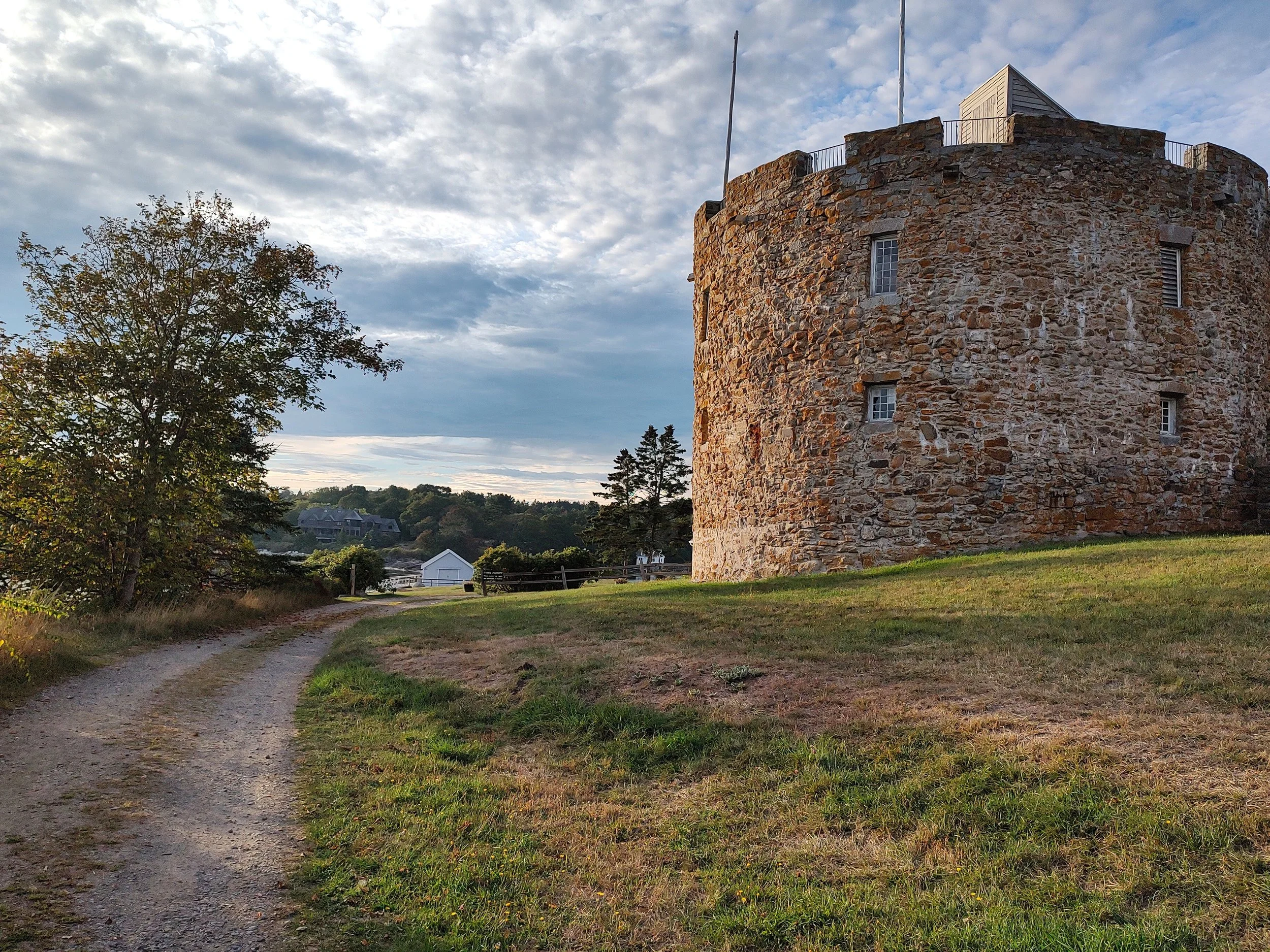
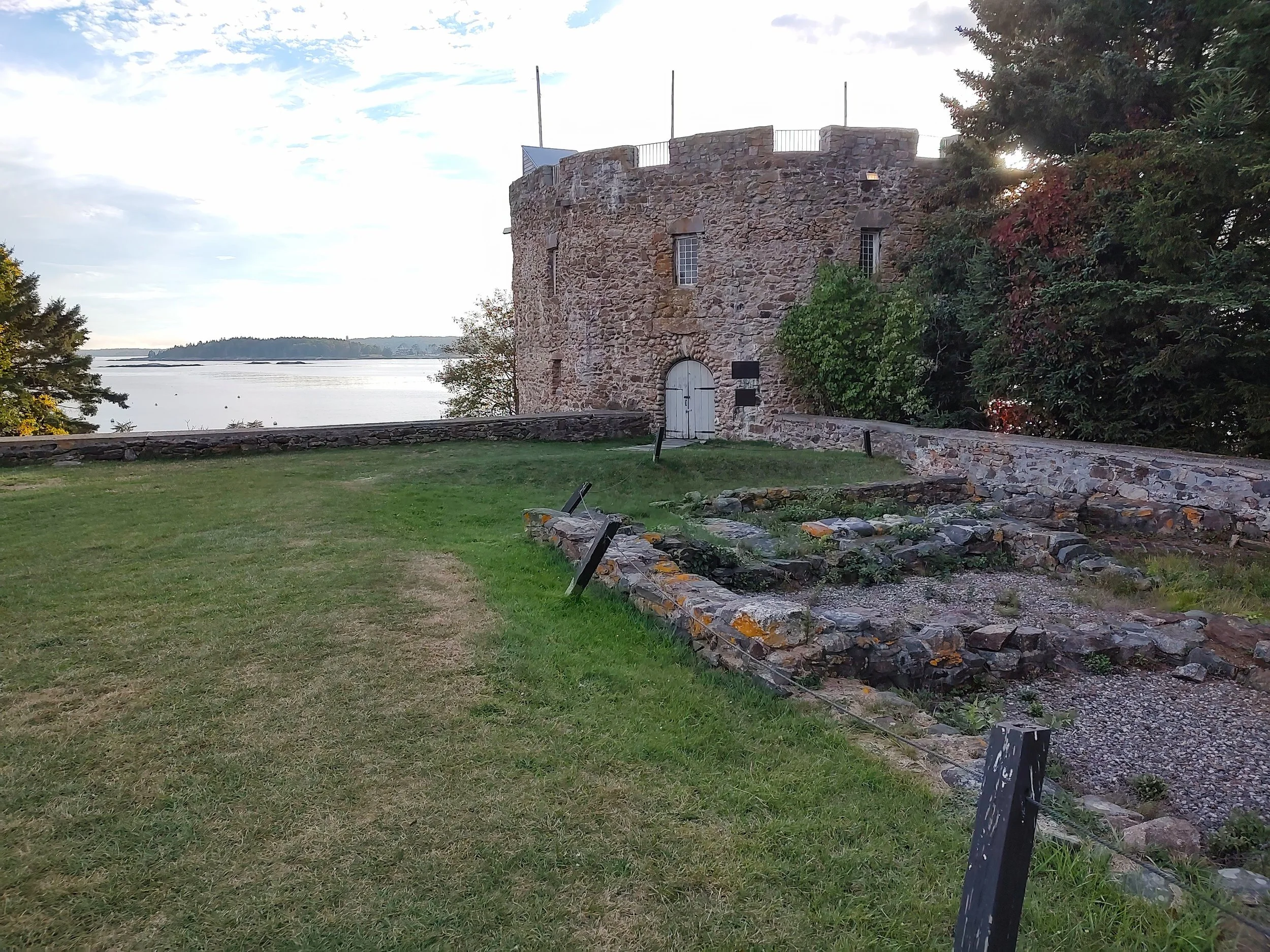
I'm not sure how much of Fort William Henry is the same structure that was constructed over 300 years ago. In 1729, Fort Frederick was built in its place, but even that fort has struggled to stand the test of time. Archaeologists excavated the site between 1974 and 1980, identifying the officer’s quarters which are still cordoned off like a dig site. The fort felt like a relic of the past to slowly be overtaken by grass and wildflowers. Only the portions tall enough and specifically carved out from the earth could be ours for viewing. I think there’s something really beautiful in the reminder that, eventually, all our landmarks will be secrets buried in the soil.